




Intelligent Driving: Technological Progress or a Redefinition of Driving?

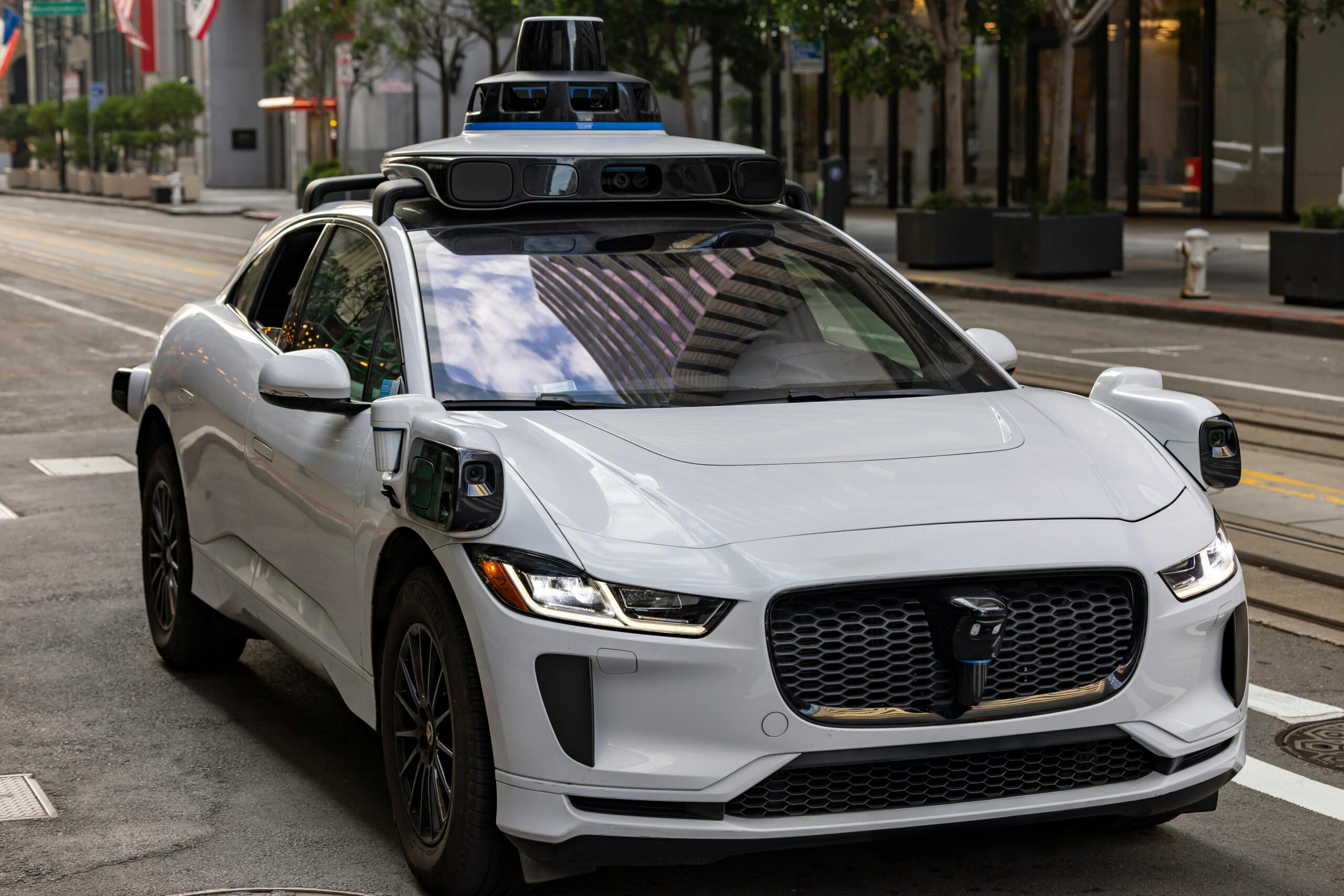
Over the past few years, intelligent driving has moved from experimental prototypes to real-world roads. From highway navigation assist and urban driving assistance to automated parking and obstacle avoidance, vehicles are gradually shifting from machines fully controlled by humans to systems that actively participate in driving decisions.
It is crucial to clarify one key point at the outset:
the vast majority of intelligent driving systems available in mass-produced vehicles today operate at Level 2 or Level 2+, which fundamentally remain driver-assistance systems rather than true autonomous driving.
With that context in mind, an unavoidable question remains:
Is intelligent driving actually better than traditional human driving in real-world conditions?
L2–L5 Intelligent Driving: Capability Boundaries Explained
Understanding intelligent driving requires a clear distinction between different automation levels. The table below outlines the practical capability boundaries from L2 to L5.
| Level | Core Capability | Driver Responsibility | Typical Real-World Status |
|---|---|---|---|
| L2 | Steering, acceleration, and braking assistance | Driver must monitor environment at all times | Widely deployed today |
| L3 | Conditional automation in limited scenarios | Driver must take over upon system request | Limited pilots, strict conditions |
| L4 | High automation within defined environments | System handles driving without human supervision | Experimental / geo-fenced |
| L5 | Full automation in all conditions | No driver required | Not yet achieved |
This distinction is critical:
most so-called “intelligent driving” today does not remove the driver from responsibility.
Advantages and Limitations of Intelligent Driving in Real Scenarios
| Dimension | Advantages | Limitations |
|---|---|---|
| Safety | Continuous monitoring without fatigue; strong performance in standardized scenarios like highway cruising | Sensor reliability drops in heavy rain, fog, road construction, or unclear markings |
| Driving Experience | Significantly reduces workload in traffic jams and long highway trips | Handover between system and driver can create risk if expectations are misaligned |
| Reaction Speed | Millisecond-level responses to braking vehicles or fixed obstacles | Limited understanding of unpredictable human behavior |
| Stability | Consistent rule-following and smooth control | Lacks human intuition and social negotiation |
| Learning Ability | Continuous improvement through large-scale data | Real-world edge cases cannot be solved instantly |
| Responsibility | Detailed driving logs enable post-incident analysis | Legal responsibility remains ambiguous in L2–L3 scenarios |
In short, intelligent driving excels in structured environments but struggles in highly dynamic urban conditions.
The Enduring Strengths of Human Driving
Despite rapid technological progress, human drivers still retain critical advantages:
- Immediate situational judgment based on experience and intuition
- Ability to interpret subtle social cues and informal road behavior
- Flexible decision-making in extreme or unexpected conditions
At the same time, human driving carries inherent weaknesses:
- Fatigue, distraction, and emotional influence
- Inconsistent reaction quality between individuals
- Increased accident risk during long or monotonous driving
From a statistical perspective, human inconsistency itself remains one of the largest safety risks.
Intelligent Driving vs Human Driving: Which Is Better?
Framing this as a simple competition is misleading.
Intelligent driving already demonstrates clear advantages in:
- Highway cruising
- Stable traffic flow
- Long-duration, repetitive driving tasks
Human drivers remain more reliable in:
- Dense urban intersections
- Mixed traffic with pedestrians and cyclists
- Extreme weather or sudden road changes
At this stage, the most accurate conclusion is:
intelligent driving is an enhancement tool, not a replacement for human responsibility.
The Overlooked Issue: Responsibility and Cognitive Mismatch
One of the most underestimated risks lies in the mismatch between system capability and user perception.
Key unresolved questions include:
- Can drivers realistically regain control within one or two seconds?
- Who is responsible when a system update changes driving behavior?
- What happens when human judgment conflicts with system recommendations?
Until regulatory and legal frameworks mature, marketing intelligent driving as “autonomous” significantly amplifies risk.
Editorial Position: Intelligent Driving Should Not Be Overstated
From a technical and real-world perspective, a clear stance can be taken:
- Intelligent driving already reduces certain accident types
- It is not yet capable of assuming full driving responsibility
- Until Level 4 systems are deployed at scale, humans remain the final safety layer
For the foreseeable future, roadways will be defined by human–machine collaborative driving, not full autonomy.
Conclusion: Better Driving Means Fewer Errors, Not Fewer Humans
Intelligent driving is not a perfect solution, but it is reshaping the fundamentals of how driving works.
Human driving will not disappear anytime soon, but it is being redefined.
The real question is not who replaces whom, but:
how technology can reduce errors while humans retain judgment and accountability.
In that sense, the true value of intelligent driving lies not in replacing people, but in making mobility safer and more rational.